It’s the 25 of July, a rainy Monday, one of those clouded, foggy, rainy days in Oslo, that makes you question what am I doing here. Bitraf is almost empty and silent, it does not feel like summer, but it does not feel like fall either.
A month ago I needed to take a break from working on the wave logger, it stopped being fun and started to be an energy-draining project. I came back now with a new energy. The moment I made sure that the electronic parts are working I hoped it will be basically just going down the hill and I hoped I will finish fast. I was wrong. The shielding was more complicated then I thought and I had a very vague idea how to do it. You see the project was originally designed by an American marine scientist. As American he used parts of sink plumbing as shielding available in American stores. Not everyone knows that the United States and Europe differ not only in the metric system but in piping sizes as well. Standard diameters of pipes in the US are uncommon in Europe, and we do not have Home Depot. Unlike electronics, this part of project requires complete redesigning. In addition, since the device will be submerged, I wanted to use the see-through pipes. It seemed priceless to me to have the possibility to have a quick look and assure myself the electronics inside the logger were still dry. Luckily I found a friendly swimming pool gear shop, and after a mail exchange, I bought 2 meter see-through – pressure-resistant* pipes together with glues.
The important part about the pipes was it resistance to pressure. The producer claimed that the pipes were PN10 certified (thous being able to withstand pressure up to 10 bars – 100 m depth roughly). That was the reason why I bought them from them. But one need to also keep in mind “pressure differential”. The pipe is designed to withheld pressure from WITHIN inside of pipe, while my usage is the case of pressure from o u t s i d e the pipe. The risk would be an actual implosion. But since the pressure is considered to be isotropic, I am not sure if this concern is relevant.
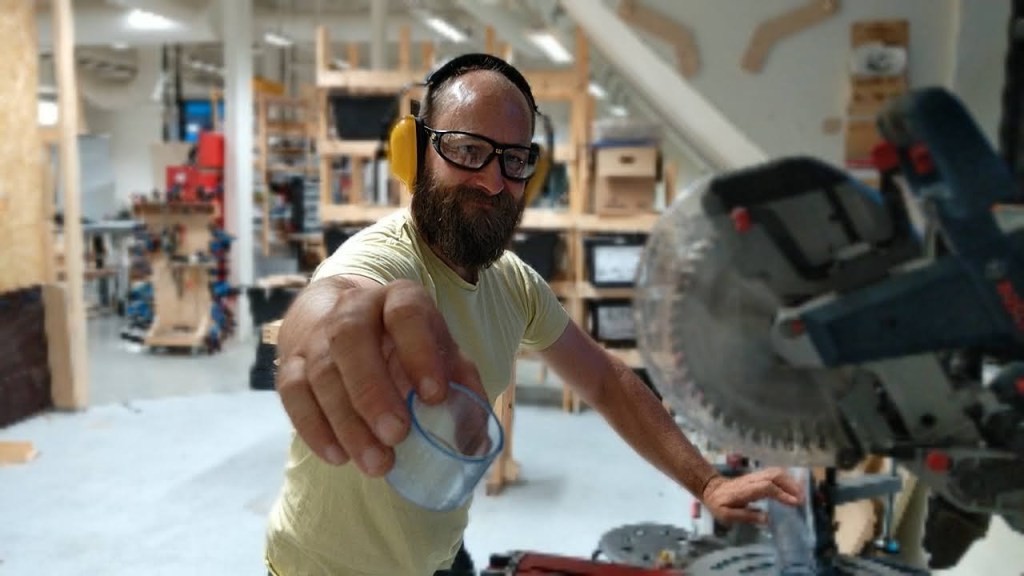
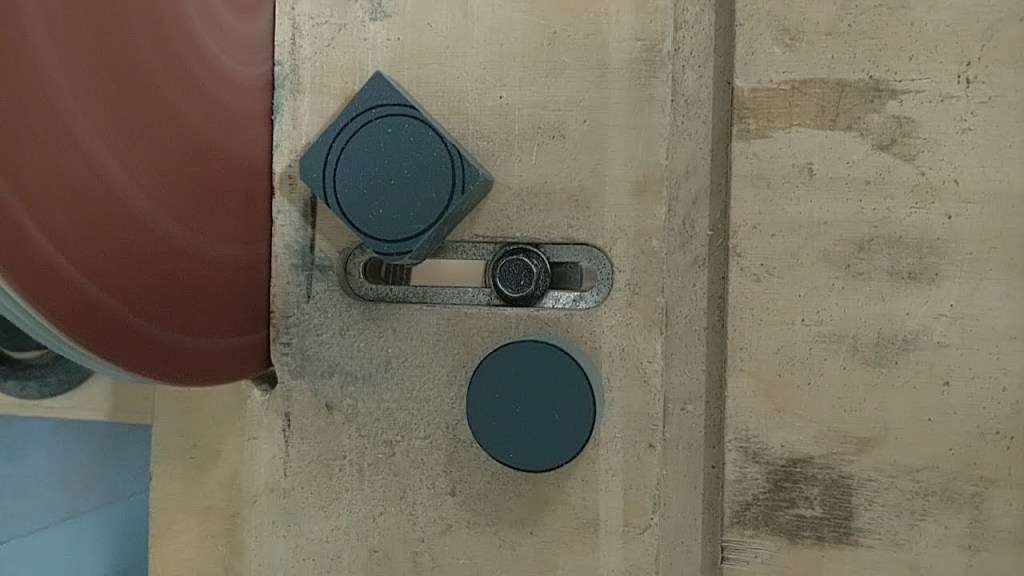
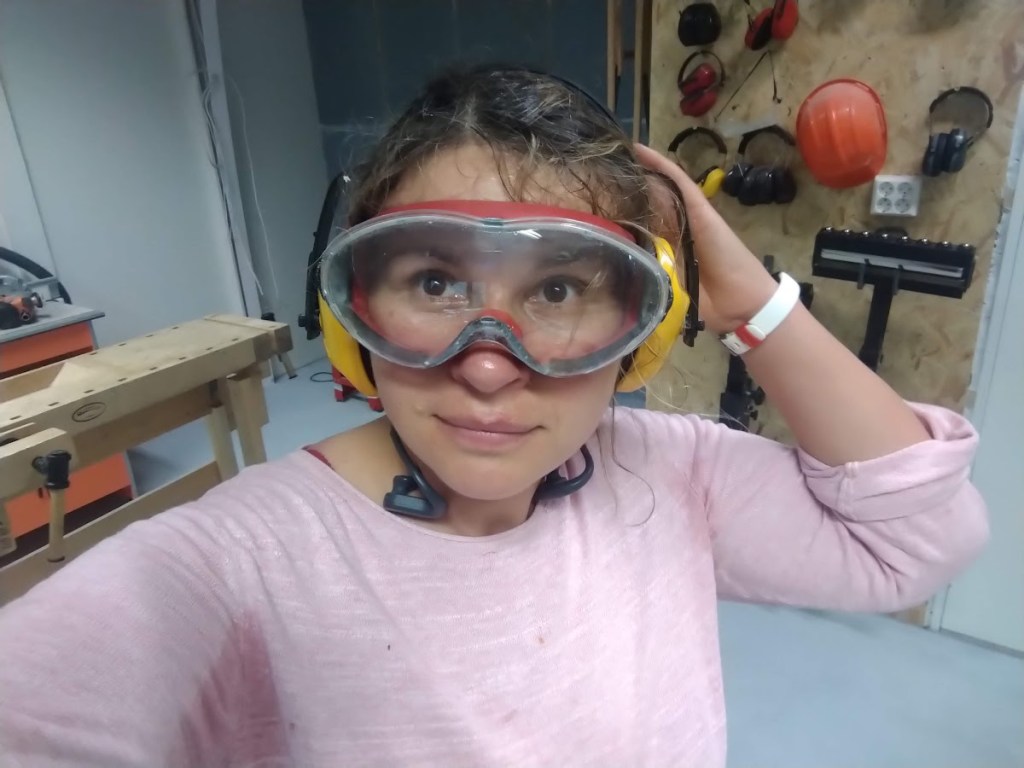
Next, I started with all the necessary – cutting pipes, gluing, making sure things were waterproof, sanding elements, and so on. As usual, Dag gave lots of priceless advice. I met a new person – Nikolai – the cut master.
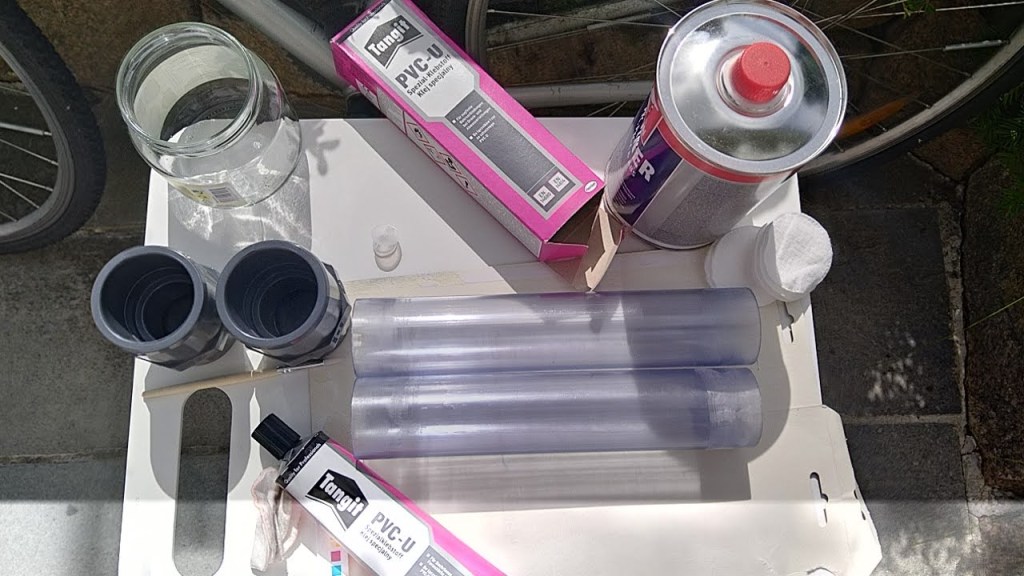

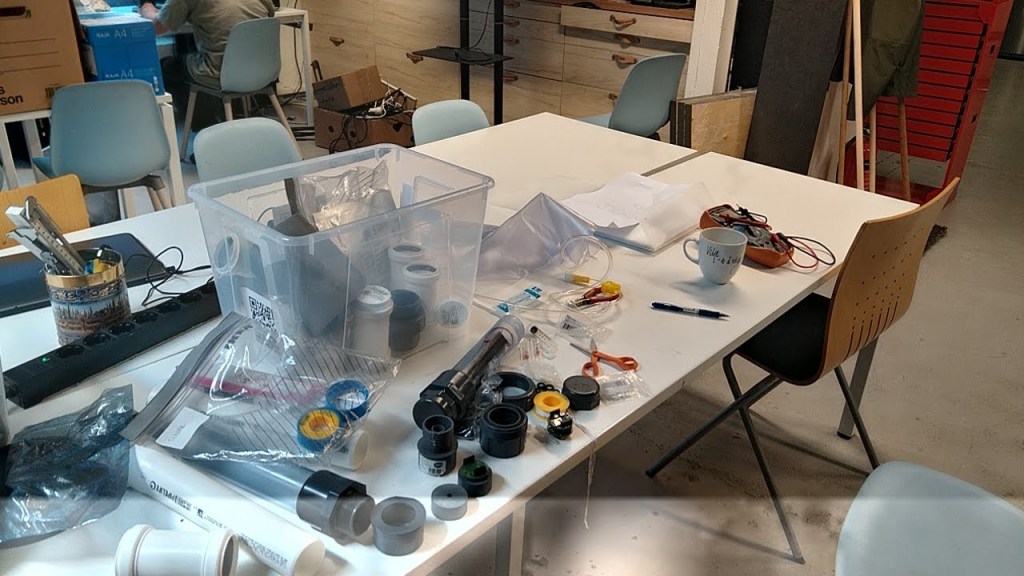
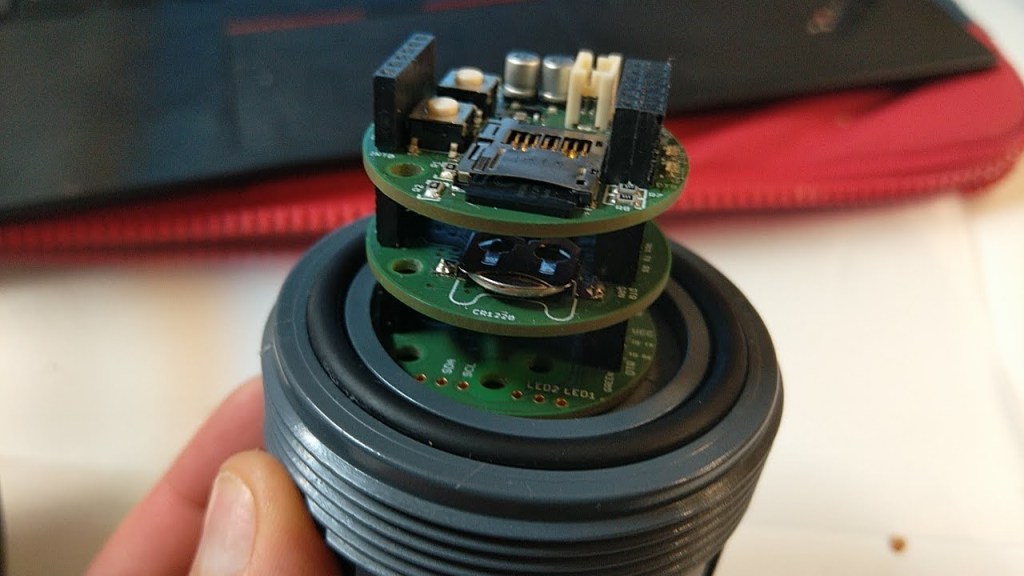
When all parts were cut, sanded, and matched you could think that finally, I came to an easy part, but the devil is in the details, and wave logger was not an exception. I needed to order barbed fitting to connect tiny parts – they would come in the wrong sizes, if I would contact the seller – they would answer the 1 mm variation is normal. 1 mm is what can divide you from working to leaking and broken device, in this case, every detail counts.
tutaj add photos of barbed fittings
 Surfcast
Leave a comment